About Us
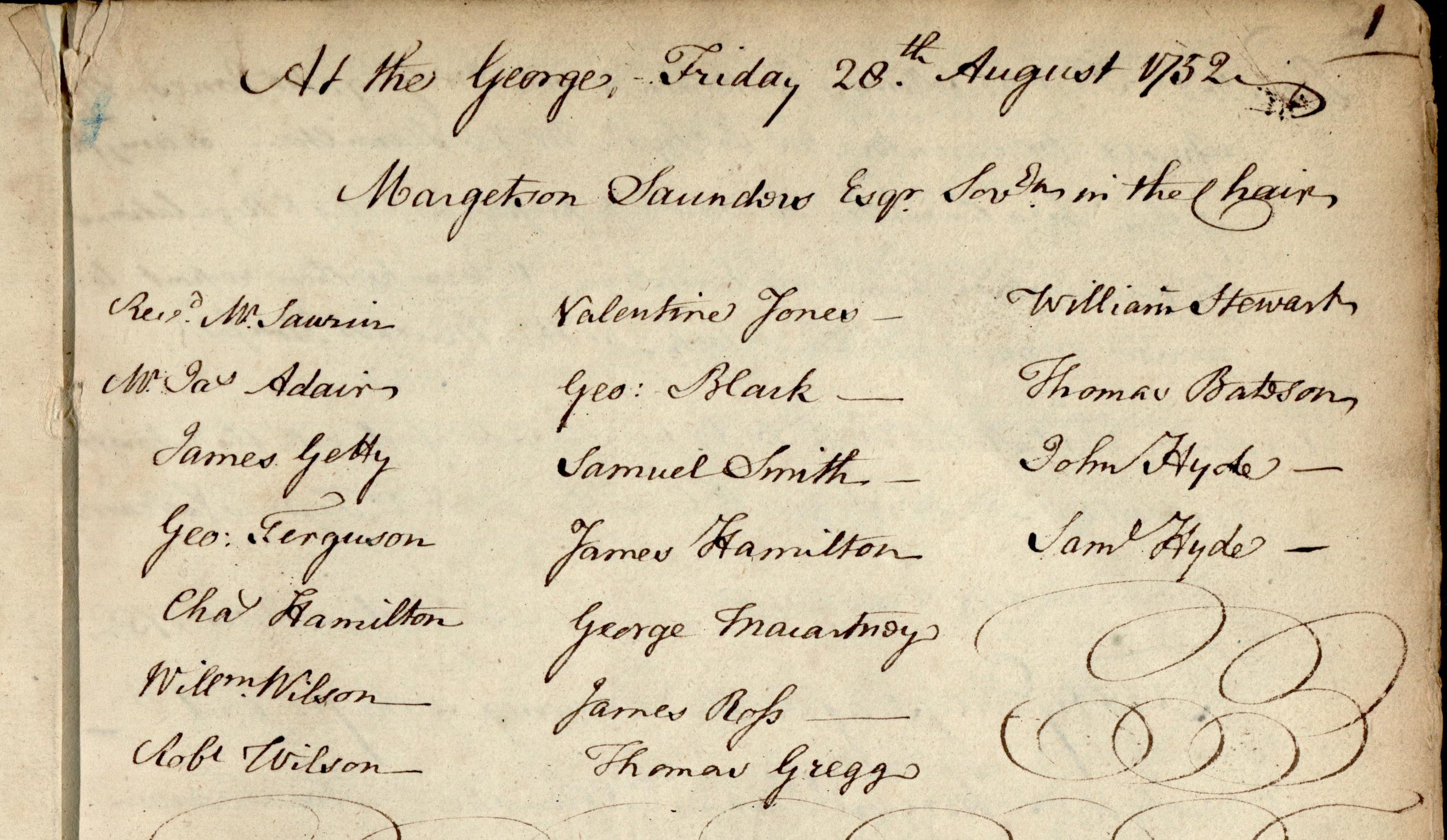
The Belfast Charitable Society was founded in August 1752 in a tavern called The George Inn on the corner of North Street and John Street, Belfast. The newly formed Society was made up of a group of leading Belfast citizens who played a key role in the development of Belfast and were at the forefront of providing welfare for its people.
At the time, the care for the poor of Belfast was left to public-spirited citizens to do what they could and the Society was the driving force behind the building and running of the Belfast Poor House.
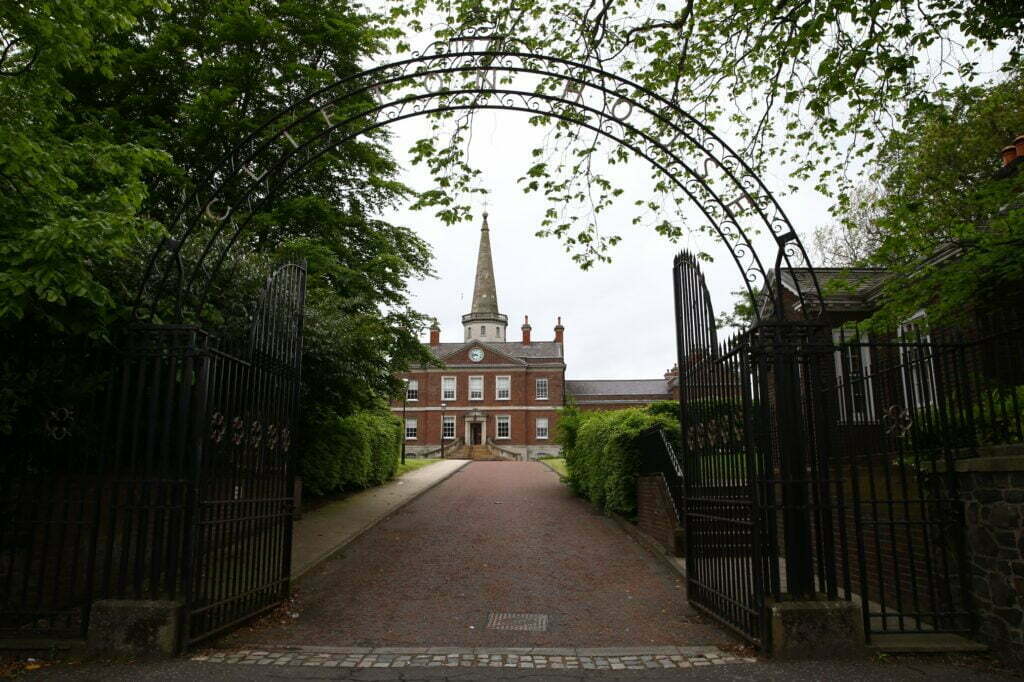
The Belfast Charitable Society would go on to be responsible for the origins of social welfare, funeral services and municipal burial grounds, Belfast’s first hospital, the provision of clean water and the creation of a fledgling police service. They fundraised and built the Poor House, later Clifton House, which opened in 1774 and today continues to provide help and shelter to the residents of the city. Clifton House remains one of the finest surviving pieces of Georgian architecture in Belfast and is still the home of Belfast Charitable Society.
Although times have changed dramatically since the formation of the Society, the need is just as great. Belfast Charitable Society continues to address disadvantage in Belfast and further afield.
Support Us
Our Mission
To preserve, promote and utilise the philanthropic heritage of the Society to address disadvantage.
Our Vision & Values
To be the recognised leader in the provision of progressive, relevant and philanthropic charity throughout Belfast and beyond.
The Belfast Charitable Society commits to the following values:
Inclusivity; True to its past; Progressive and flexible; Proactive and empowering in addressing disadvantaged; Open, transparent and accountable; Honest and reliable; A provider of quality services; Partnership and collaborative working; An honest broker.
Our Strategic Aims
Aim One: To lead and influence how philanthropy is delivered and developed in Belfast and beyond.
Aim Two: To raise awareness of the Society, including Mary Ann McCracken, through the preservation, access to and promotion of our heritage; and in turn using surplus resources to address disadvantage.
Aim Three: To raise the awareness of the life and works of MaryAnn McCracken and to develop meaningful legacy projects that address our present-day issues of inequality.
Aim Four: To develop a creative & sustainable robust organisation focussed on tackling disadvantage and poverty.
Acts of Parliment
Founded in 1752, Belfast Charitable Society is the city’s oldest known charity and was incorporated in 1774 by an Act of Parliament of Ireland. In 1996, to ensure that the Society was “able to serve the present day and likely future needs of the community”, a new Act of Parliament, ‘Belfast Charitable Society Act’, was passed. It sets out the objects, powers, constitution and management of the Society.
The Objects of the Society as stated in the Act are:
- To pursue all or any charitable activities which advance the interests or are for the benefit of persons appearing to the society to be disadvantaged, primarily in Northern Ireland, including the care of the elderly, the relief of poverty, homelessness, distress, infirmity and sickness and providing for the educational and other needs of such persons; and
- To participate in and encourage all forms of co-operation among appropriate parties which are calculated to achieve any of the objects mentioned in paragraph (a) above.
Fun Facts
Over the centuries, there have been some weird and wonderful powers written into the Belfast Charitable Societies Acts of Parliament. Below is just a few examples from our archives:
- Belfast Charitable Society had the power to seize pigs wandering in Belfast and charge a fine to the owners to collect them. Alternatively they could be slaughtered for the benefit of the Poor House.
- In 1840 an Act of Parliament created the Belfast Water Commissioner who took over the supply of water to the town. Belfast Charitable Society were granted an annuity of £800 per year as compensation for its investment. This payment is still received.
- The 1800 Act of Parliament included a provision for street lights. If you were caught putting one out you could be fined and this money was given to the Charity. If a lamp was stolen, the judge could sentence the individual to transportation for seven years or publicly whipped!
Clifton House
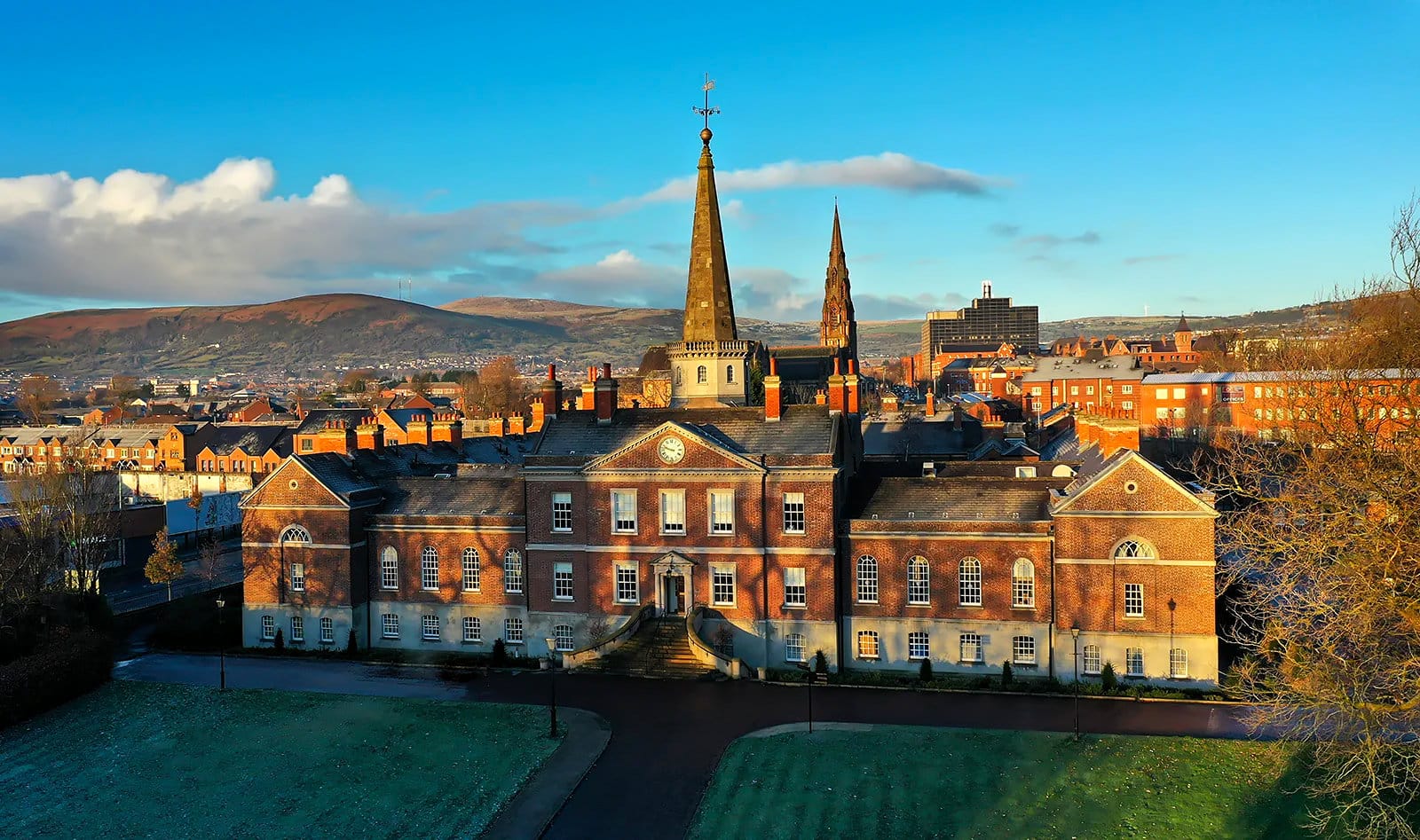
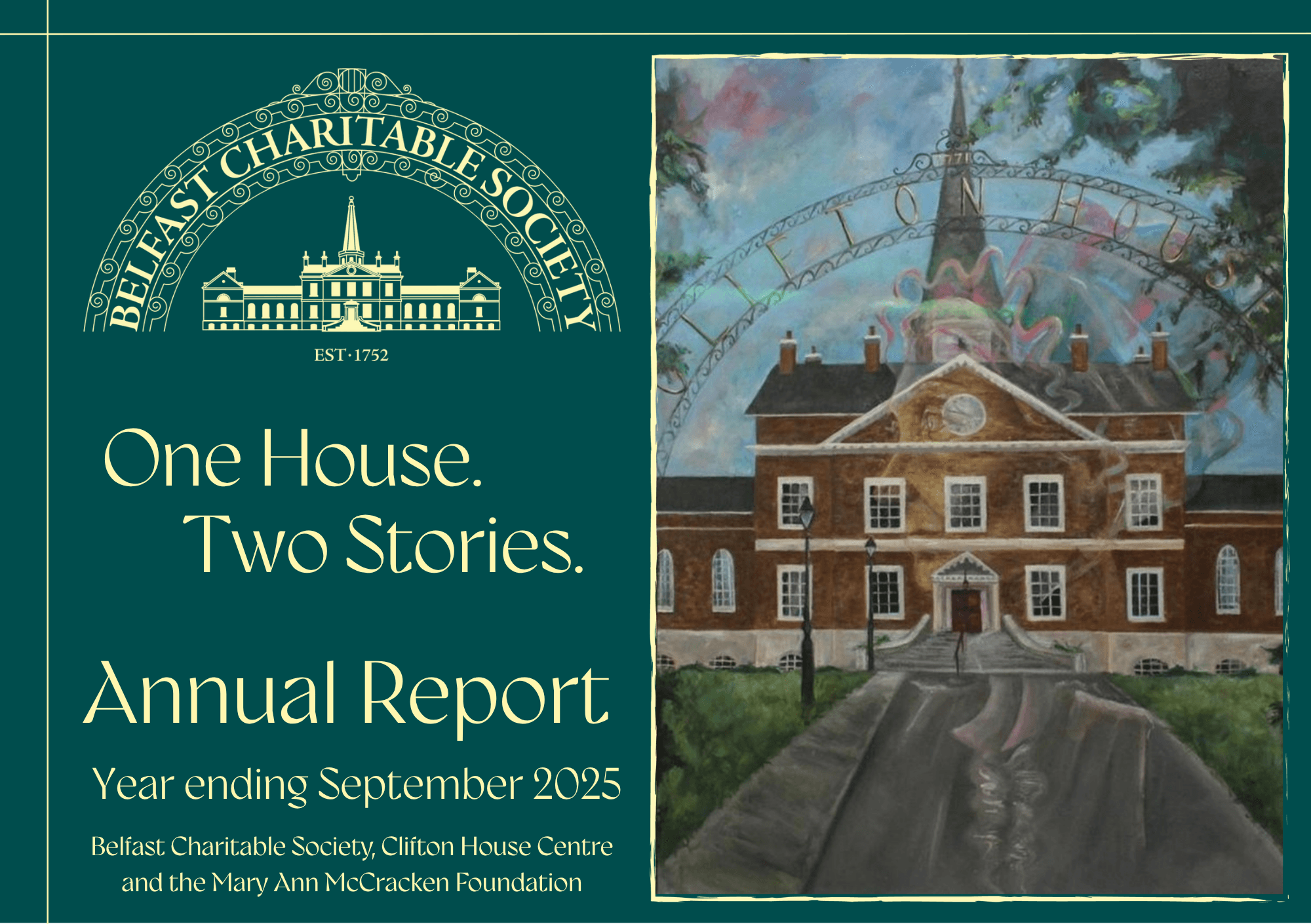
Opened in 1774 as the Belfast Poor House, Clifton House is the city’s oldest working building and home of the Belfast Charitable Society. Within its walls, thousands found sanctuary: the poor and sick, the young and old, passing sailors and quiet radicals who helped shape the course of Belfast’s history. Today it operates as a heritage and events venue, while continuing to provide care for older people through Radius Housing.
Nearby, Clifton Street Cemetery was opened by the Society in 1797 as the city’s main burial ground. It holds 14,000 graves including one of Ireland’s largest Famine graveyard, the graves of many leaders of the United Irishmen, and the resting place of reformer and activist Mary Ann McCracken.

Our Board & Team
Meet the people responsible for the governance, management and day-to-day work of the Society.
Annual Reports
Read our annual reports to learn more about our activities, impact and use of funds.

Membership
Find out about becoming a member of Belfast Charitable Society and supporting our charitable work.