History
The history of the Belfast Charitable Society is intertwined with the history of Belfast itself.
Scroll down through the short timeline below to find out more.

1752
Belfast Charitable Society founded with the aim to build a Poor House and Infirmary
1768
Construction begins on the Poor House following several lotteries to raise the funds
1771
Foundation stone of Belfast Poor House laid
1774
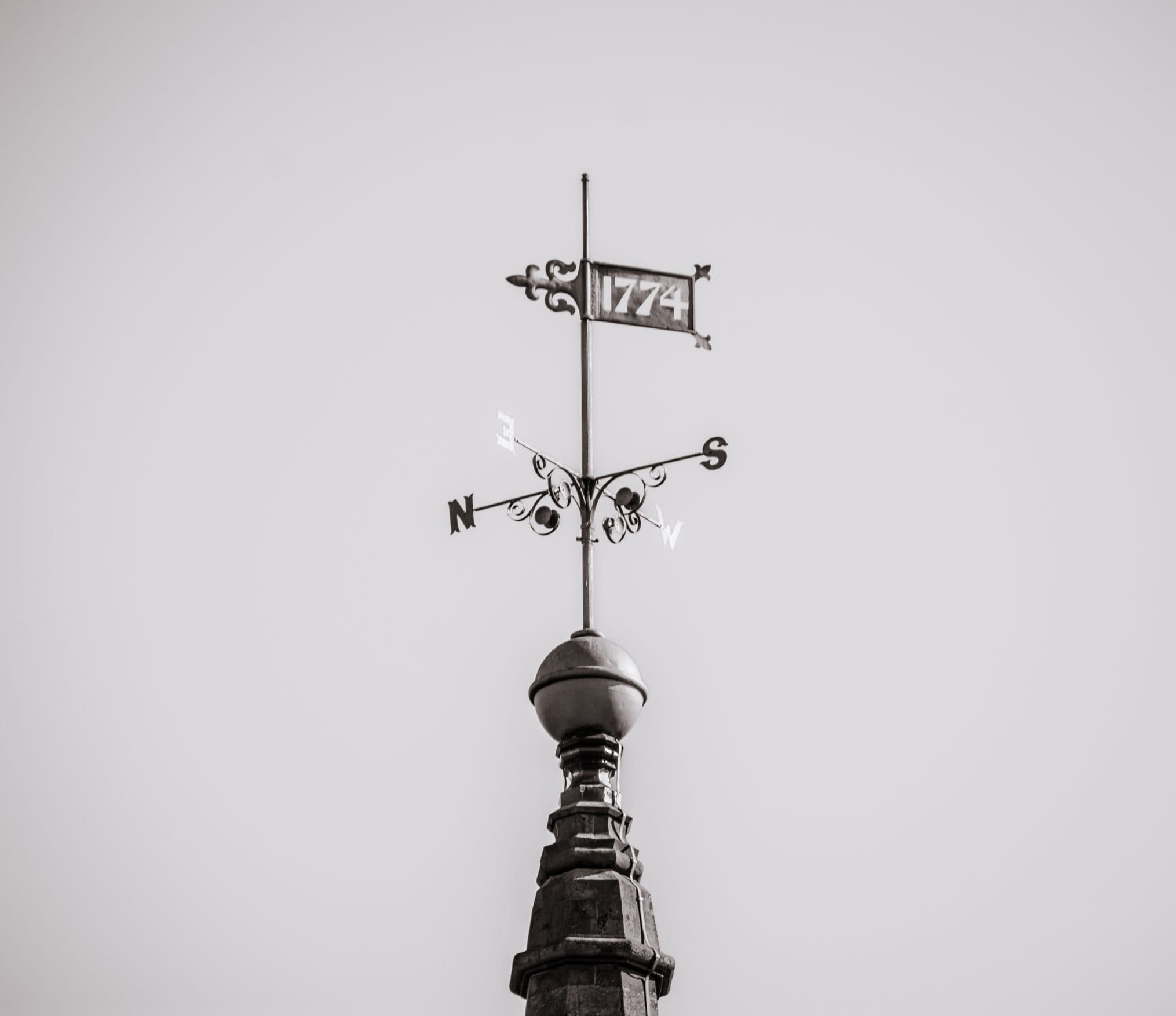
Belfast Charitable Society incorporated by an Act of Parliament and opened the Poor House and Infirmary with 50 beds for the poor & 20 beds in the hospital
1774
Sir Arthur Chichester, 5th earl of Donegall, becomes the first president of BCS
1779
Thomas McCabe and Robert Joy presented a proposal to introduce cotton spinning into the Poor House which was accepted
1782
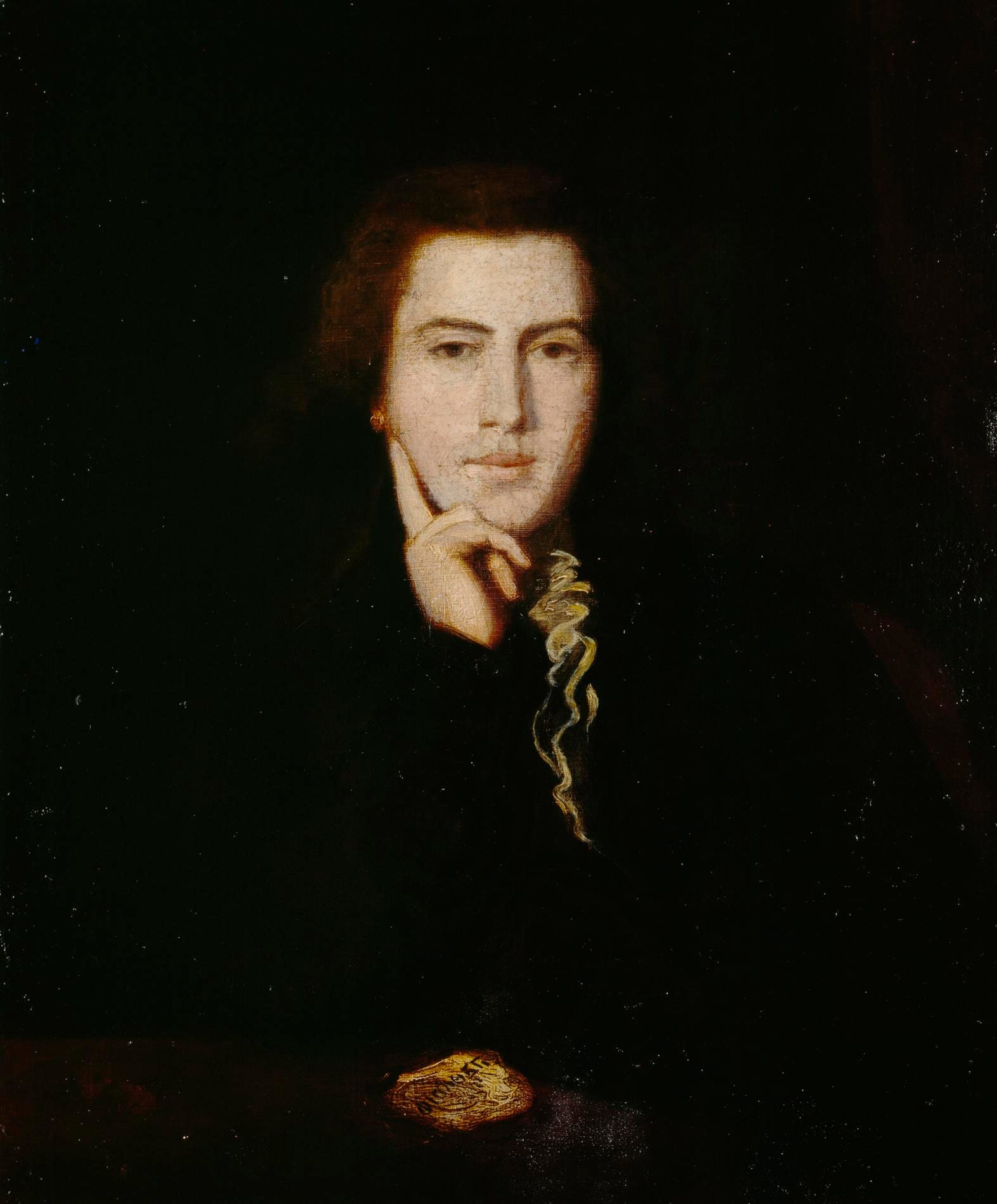
Dr William Drennan proposed public inoculation against Small Pox in the Poor House which he subsequently carried out
1790
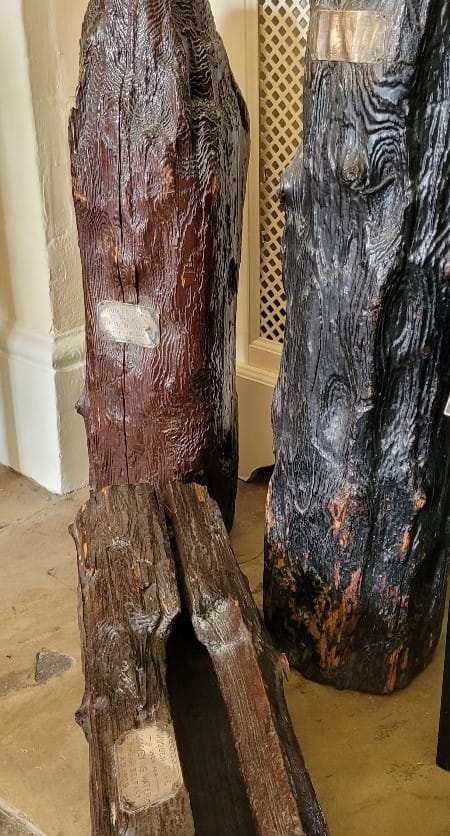
The charity begin to pipe fresh water into Belfast and collect the associated rates
1791
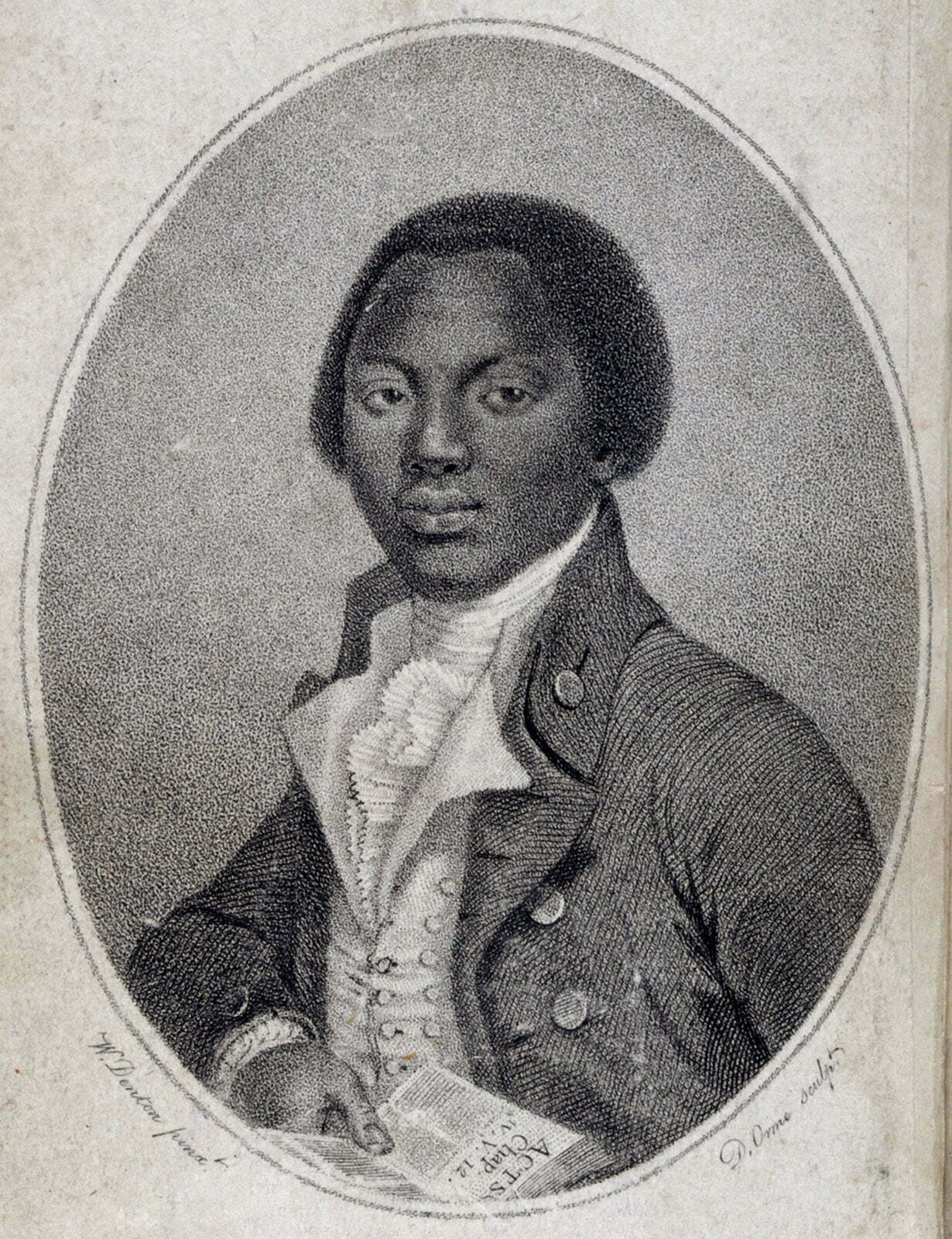
Equiano, the black abolitionist, visits the Poor House and attends a Board meeting
1797
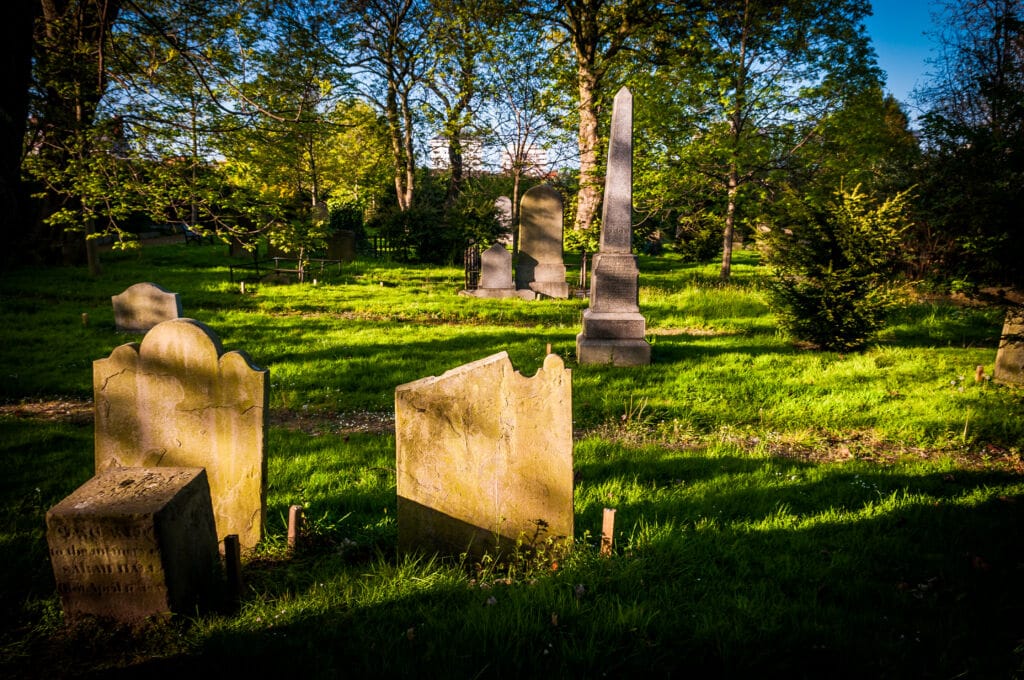
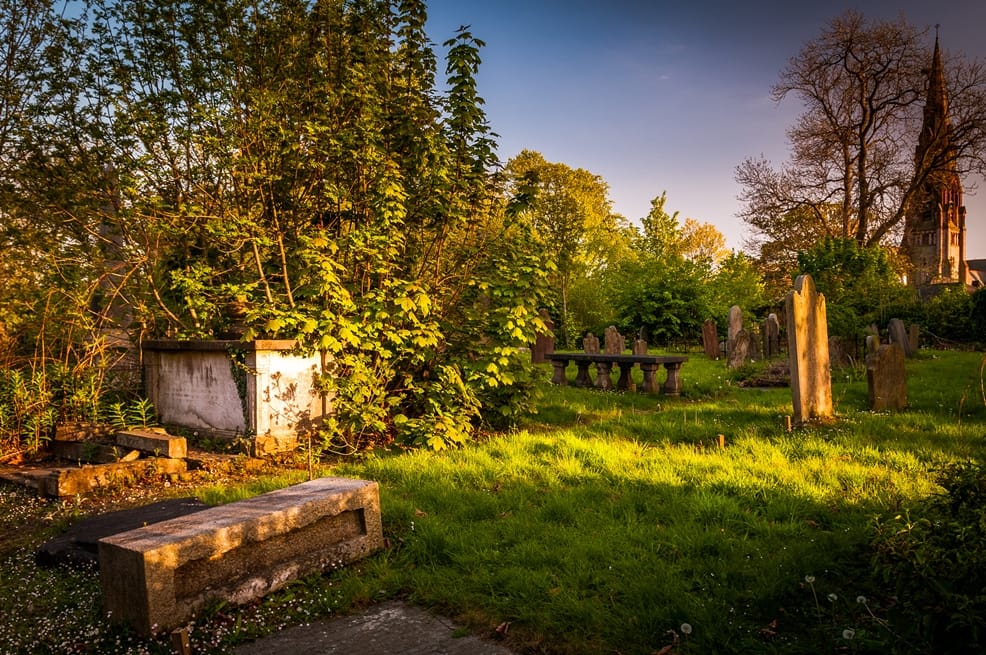
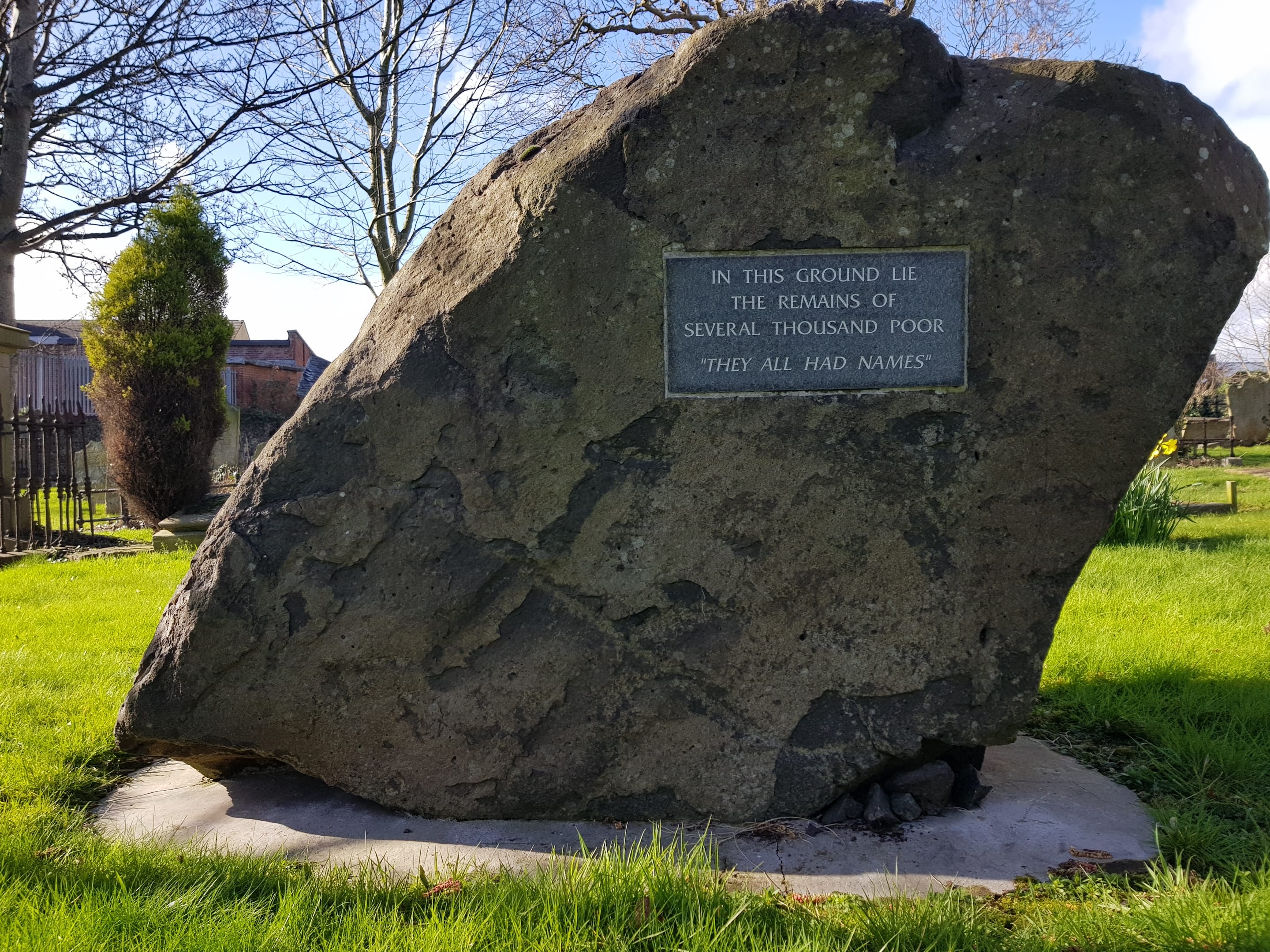
New Burying Ground, today Clifton Street Cemetery, opened for burials
1798
Society given 48 hours to clear the Poor House due to its links to the United Irishmen
1800
Poor House returned to Belfast Charitable Society
1813
Edward Bunting, the renowned collector of Irish Harp music, holds a concert for the benefit of the Poor House
1817
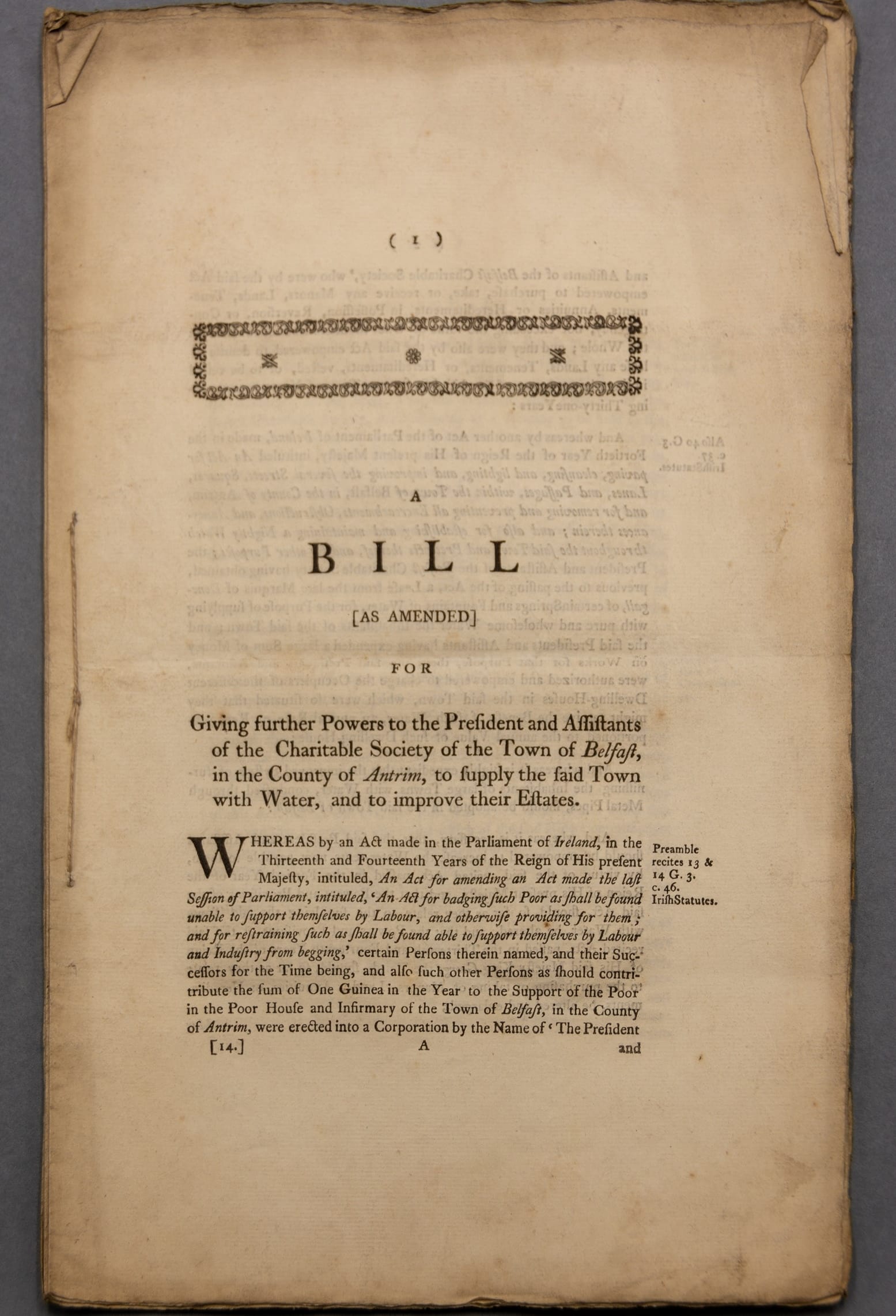
Act of Parliament gave further powers to Belfast Charitable Society to supply the town with water
1827
Clifton Street Cemetery extended
1828
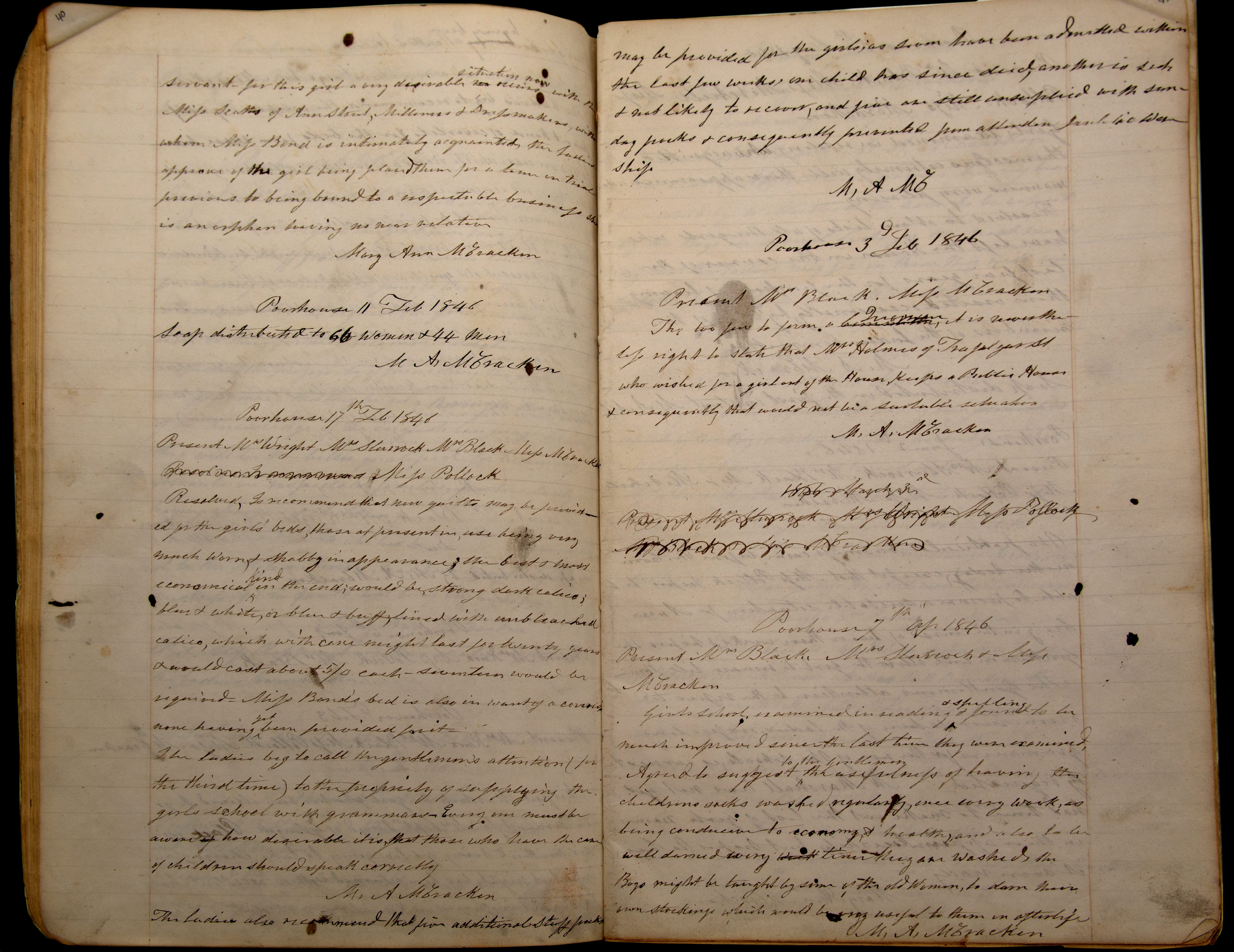
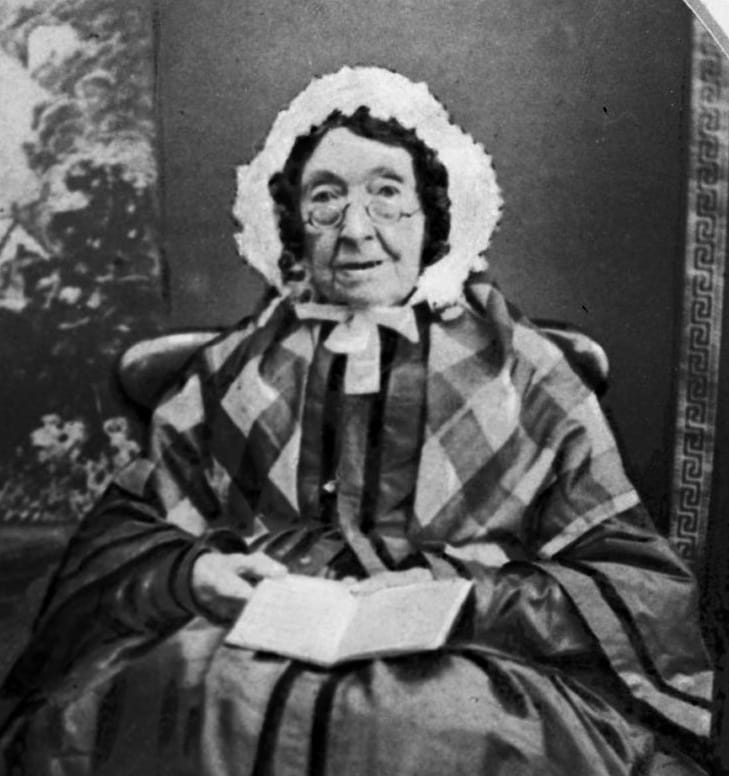
Ladies Committee formed through the driving force of Mary Ann McCracken
1832
Cholera epidemic strikes in Belfast. The Poor House introduces a ‘convalescent house’ for new admissions to ensure the safety of residents
1840
Belfast Water Commissioners established to take over the pipe water infrastructure. Belfast Charitable Society given an annuity of £800 per year for its previous investment
1847
Known as Black ’47 due to the number of deaths during the Great Hunger, the burial registers of Clifton Street Cemetery recorded over 1,000 deaths from famine related illnesses
1851
Final meeting of the Ladies’ Committee
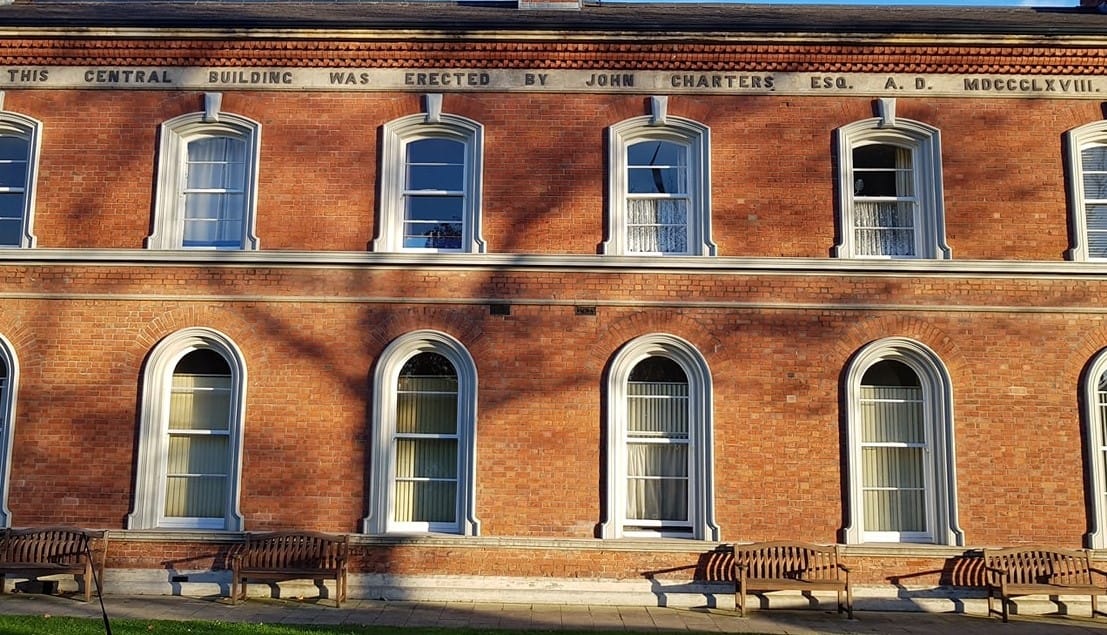
1868
John Charter’s builds a wing at the back of the Poor House for the children
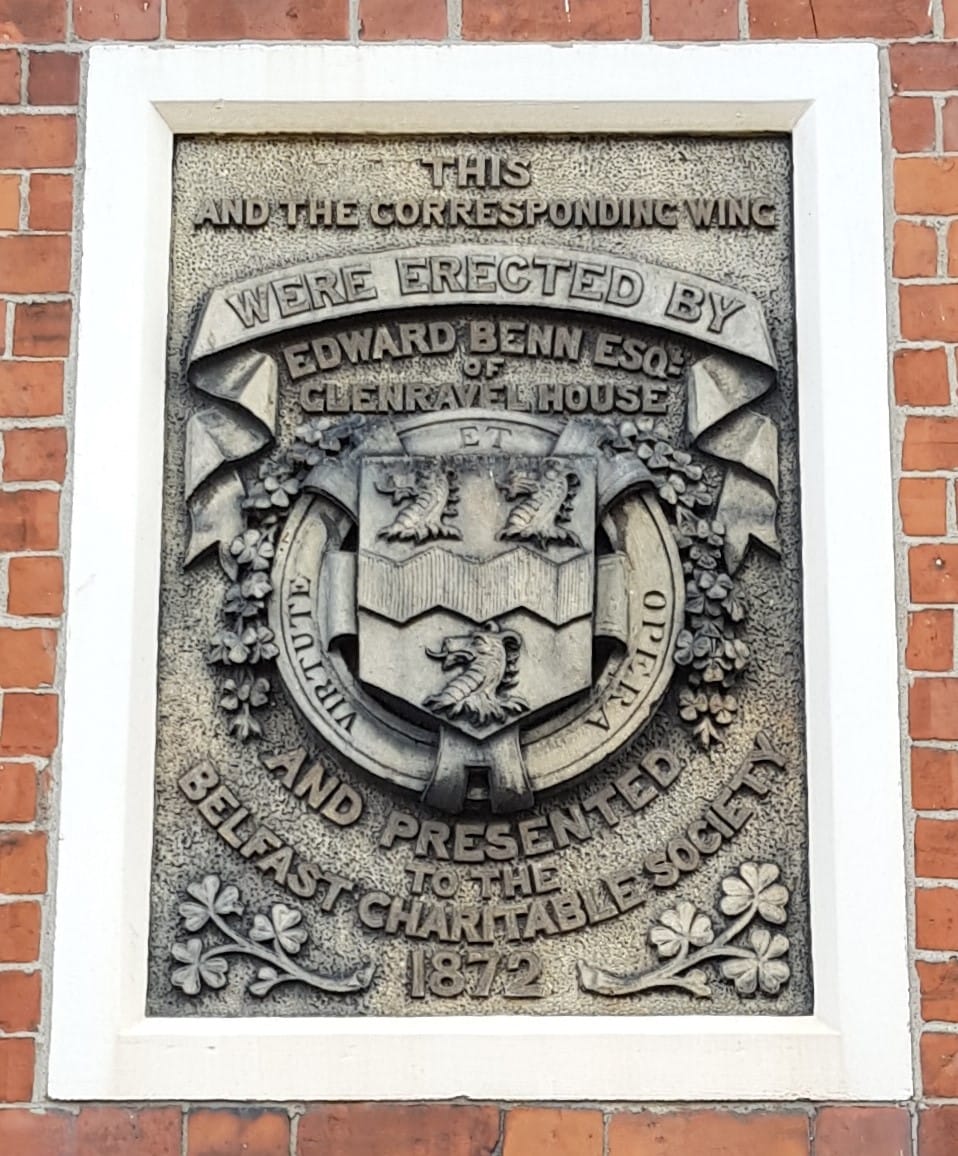
1872
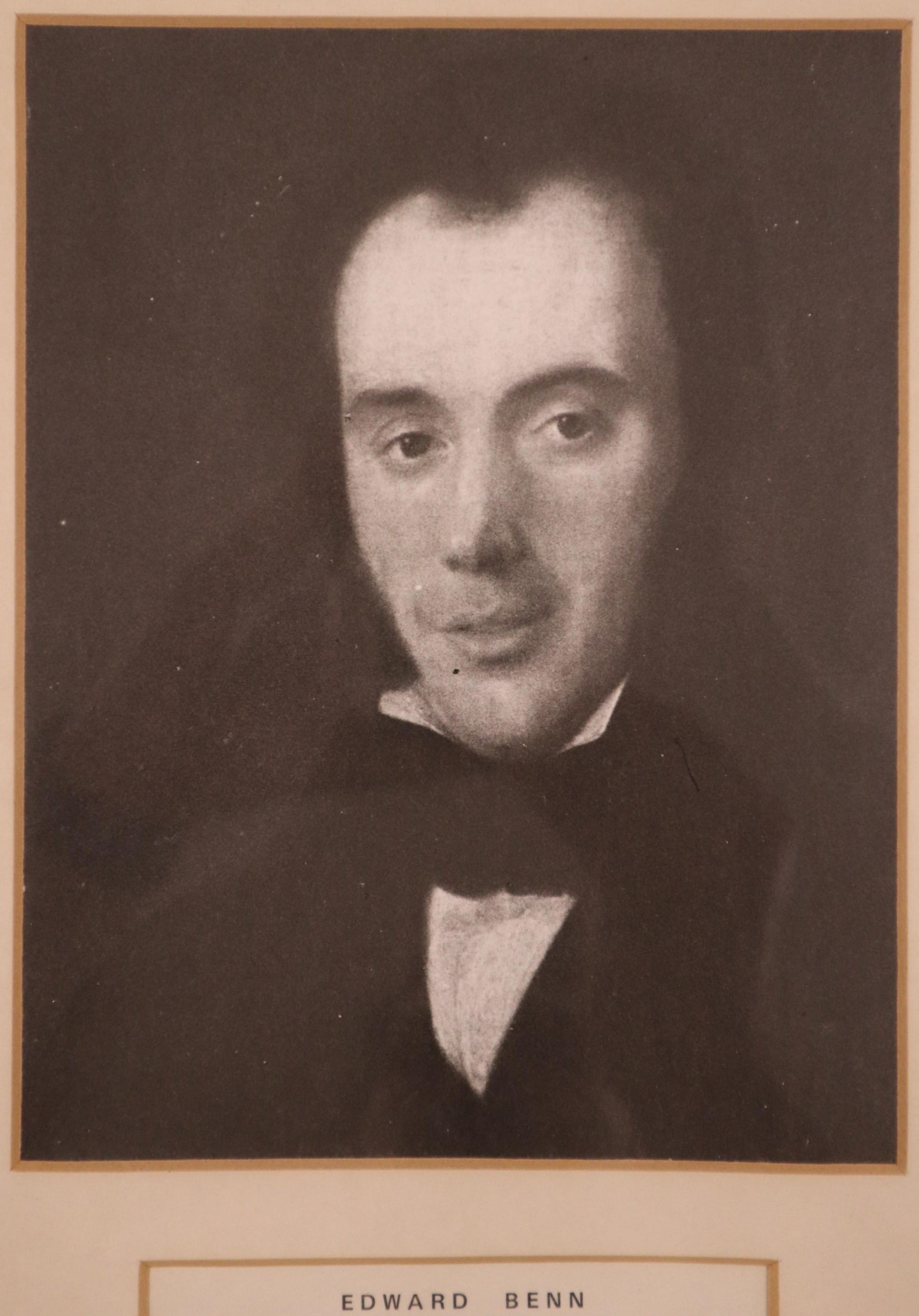
Edward Benn finances two wings to the original Poor House, joining it with to the Charter’s wing
1882
Last child leaves the Poor House and Poor House renamed Belfast Charitable Institution
1882
George Benn donates £1000 to BCS for an annual Benn Easter and Christmas dinner
1920
Blanche Hume becomes the first female board member
1921
Appeal for funds to ensure the survival of the charity
1927
Frank Workman and his wife pay for electricity to be introduced to the building
1941
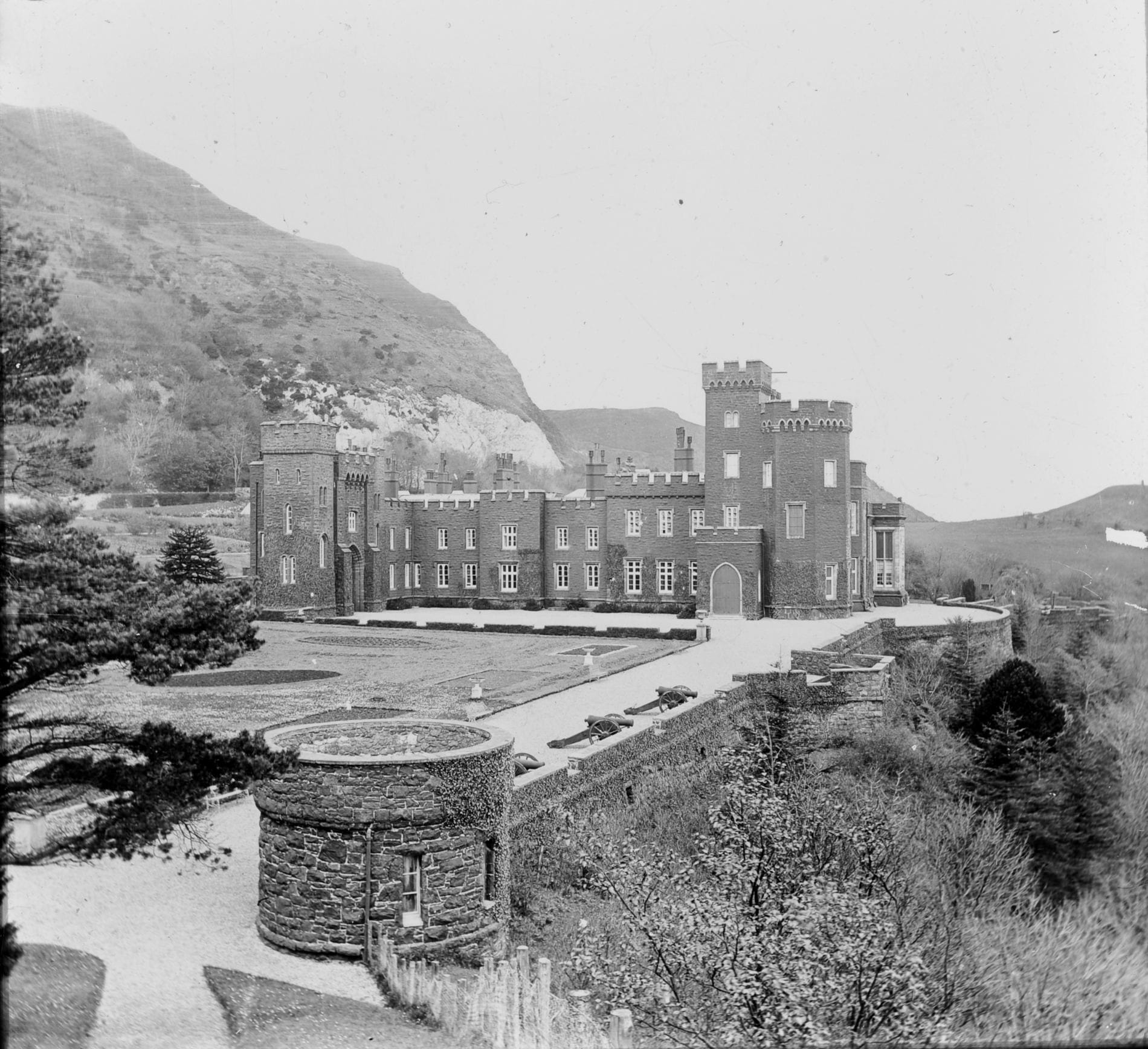
The decision was taken to evacuate the residents to Garron Tower due to the Belfast Blitz
1946
Residents return from Garron Tower to the old Poor House building
1948
The Belfast Charitable Society’s building is renamed Clifton House
1996
New Act of Parliament
2001
Clifton Nursing Home opens
2002
Newly refurbished Clifton Residential Home opens
2003
The Marquis of Donegall opened Clifton House Interpretative Centre
2007
Lady Moyra Quigley becomes first female president of BCS
2018
Clifton House Residential Home transferred to Radius Housing
2021
BCS launches the Mary Ann McCracken Foundation
2022
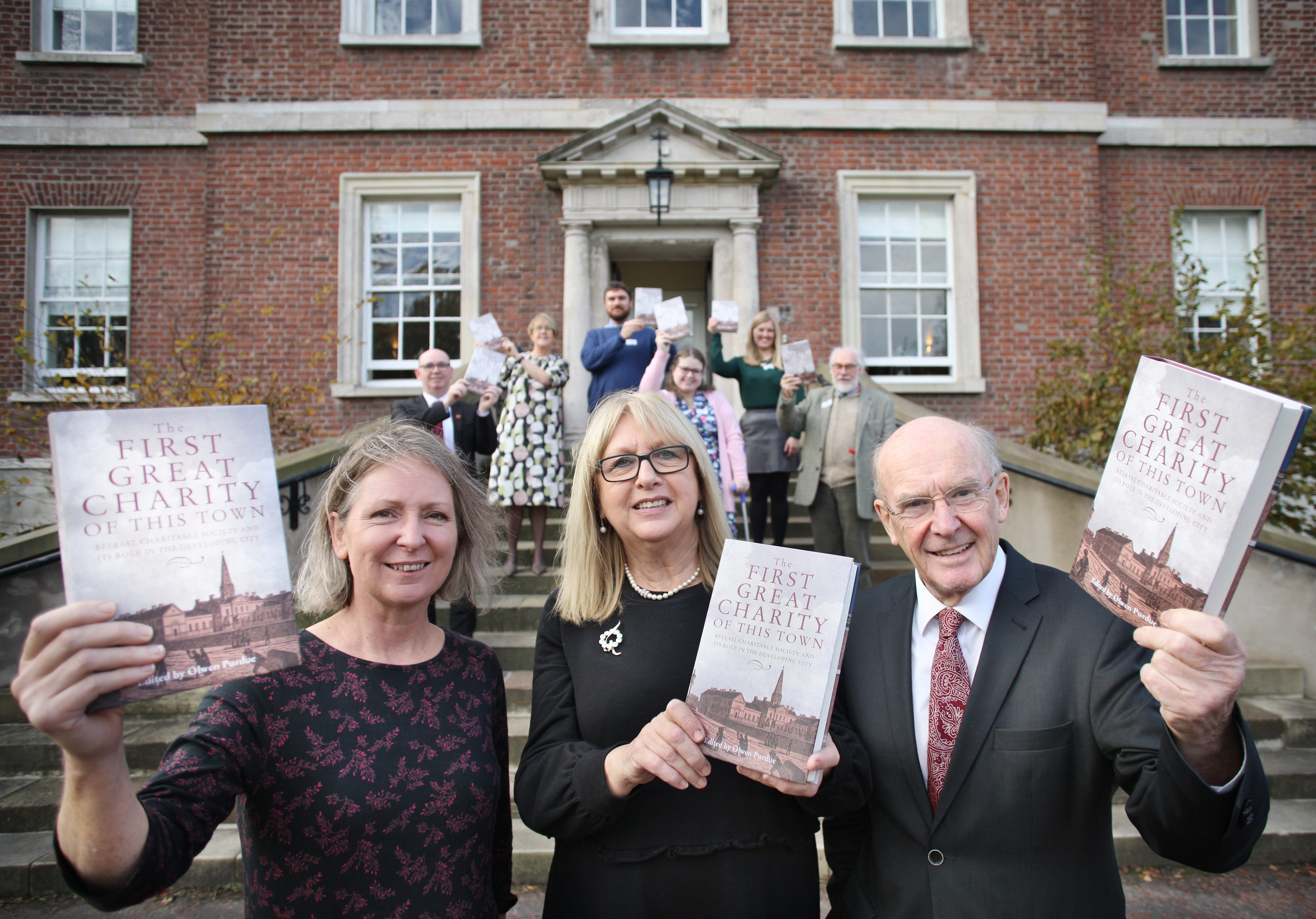
The First Great Charity Book was published to celebrate BCS’s 270th anniversary
2024
Clifton House celebrates its 250th anniversary
Our Founding Fathers
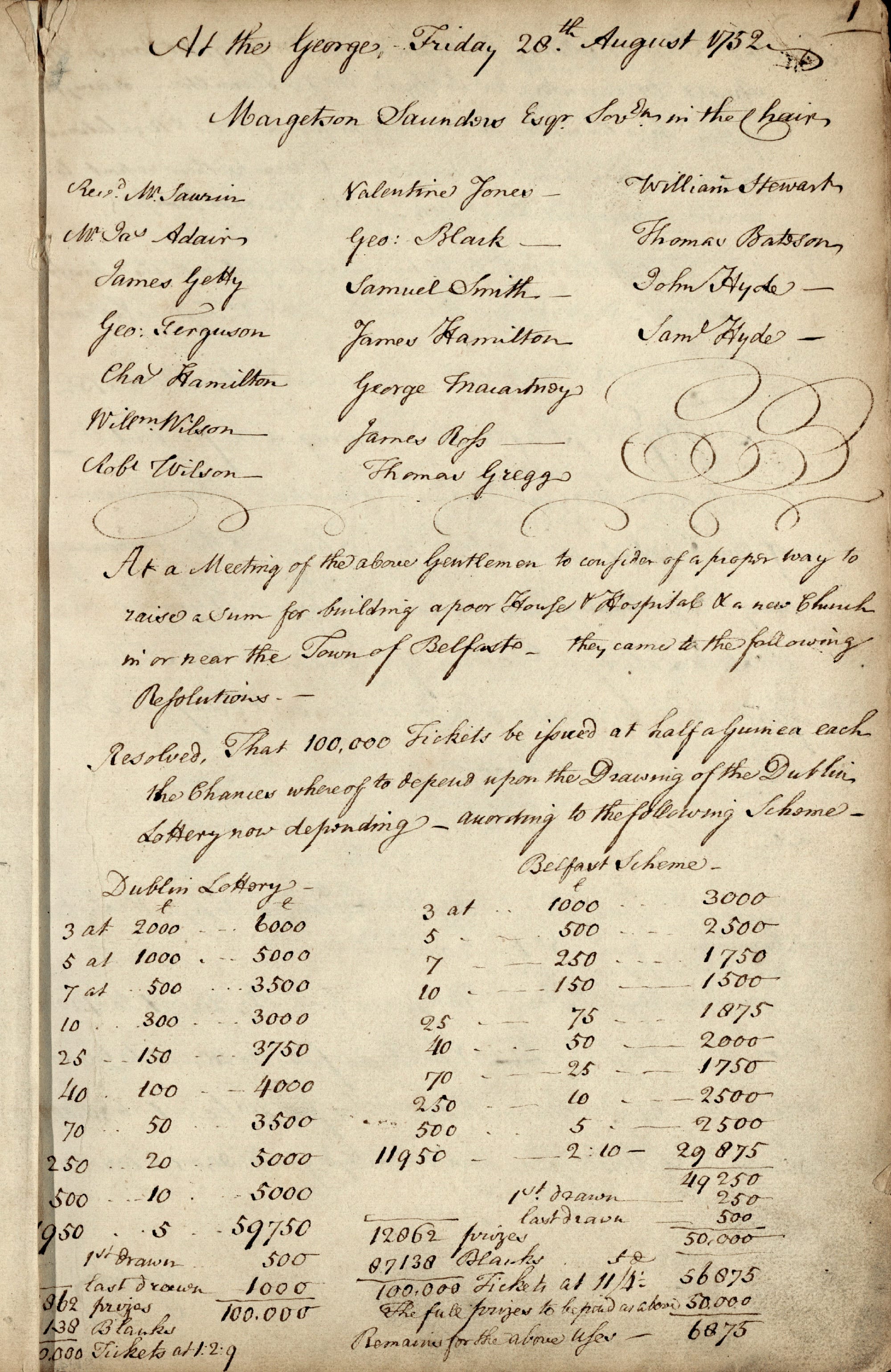
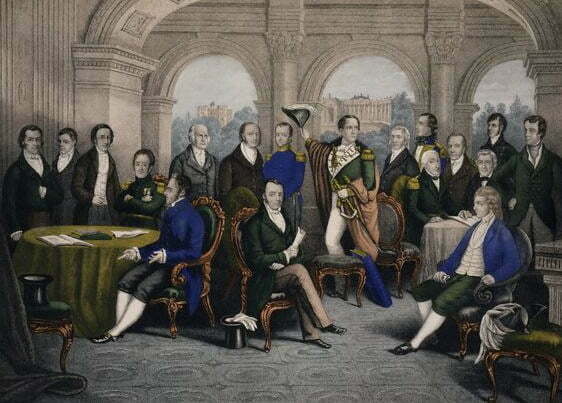
The evening of Friday 28th August 1752 was cool in Belfast. After closing up their businesses and homes, a group of nineteen merchants, burgesses (councillors) and a vicar, made their way to the George Inn at the corner of North Street and John Street (now Royal Avenue). It was there in the George Inn that these gentlemen formed the Belfast Charitable Society, to tackle poverty and help the poor. The names of the founders were recorded in the first minute book of the new society, which is now held in the Clifton House archives:
Samuel Hyde
John Hyde
Thomas Bateson
William Stewart
Thomas Gregg
James Ross
George Macartney
James Hamilton
Samuel Smith
George Black
Valentine Jones
Robert Wilson
William Wilson & John Wilson
Charles Hamilton
George Ferguson
James Getty
James Adair
Rev James Saurin
Margetson Saunders
Prior to the construction of the Poor House, members of the Belfast Charitable Society were officially appointed as ‘Overseers of the Poor’ in December 1757. Of the founding members appointed there was Rev James Saurin, James Getty, Samuel Smith, Valentine Jones, James Adair, John Hyde, and George Ferguson.
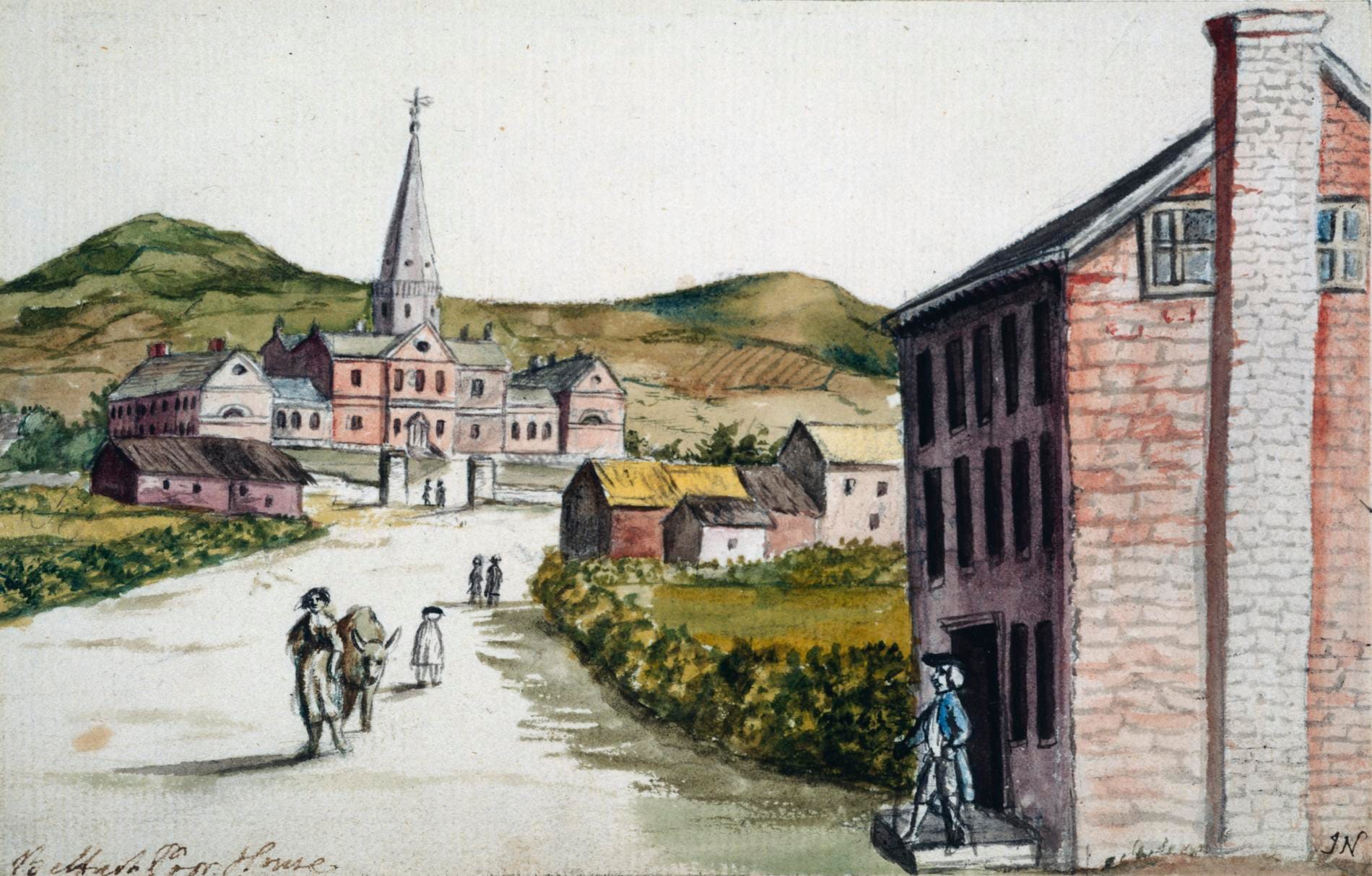
At this time the population of Belfast was expanding at a great pace due to the growth of its port and the textile industry. The poor lived in ‘ill-ventilated hovels’ with little or no sanitation, and the town’s inhabitants had a limited diet. There was very little provision or support for the poor and so the Belfast Charitable Society set about providing assistance to alleviate the worst of the poverty prevalent in Belfast, mainly through the construction of a Poor House and Infirmary. It raised the money through a lottery scheme and donations, with the Poor House and Infirmary opening its doors in 1774.
Learn more about the history of Belfast Charitable Society –